
Bali Freight Forwarder Journal ·
Australia-Bali Sea Route: 2027 Outlook for Villa Cargo
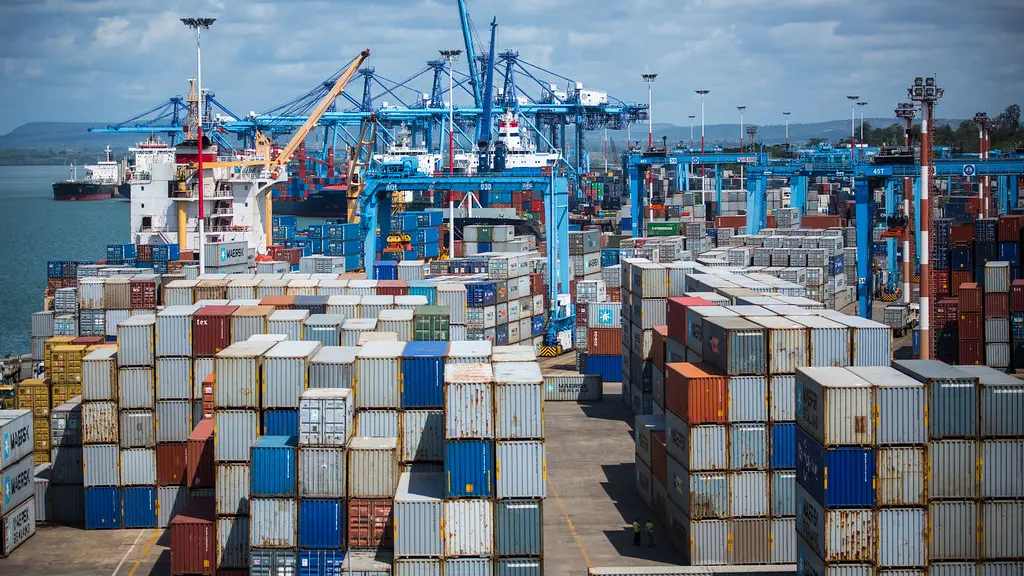
The Bali-Australia sea lane enters 2027 as the most predictable route out of Indonesia for villa cargo, commonly quoted at 4-8 weeks door-to-door in 2026 commentary. Expect capacity to hold, per-cubic-metre pricing to remain the LCL standard, and FCL to stay the better buy above roughly 13 cbm — an outlook grounded in dated signals, not a prediction.
Why Does Australia Stay the Backbone Lane into 2027?
Because nothing else ex-Bali behaves this consistently. Australian ports sit close, sailings run frequently, and 2026 commentary keeps quoting 4-8 weeks door-to-door — a tighter band than European or North American lanes offer.
The physical route is unlikely to change in 2027. Bali’s own seaport is Benoa, but most containerized exports still truck inland from Bali to Surabaya before loading, with Tanjung Priok in Jakarta and Tanjung Emas in Semarang as the alternative gateways. Sea and inland waterways carried about 77.6% of Indonesian forwarding revenue in 2025, so the ocean side is where carriers keep concentrating capacity.
For villa projects — furniture from the Sukawati and Gianyar craft belt, teak and rattan pieces, stone carvings, joinery from Canggu and Ubud workshops — that consistency is the whole point. A fit-out timed to a build schedule needs a lane that arrives when planned.
What Should a 2027 Villa Budget Assume About Costs?
Assume the structure holds even where the numbers move. Per published Bali forwarder terms in 2026, LCL sea freight is priced per cubic metre, and a typical published rate already bundles more than the ocean leg:
- Ocean freight to the destination port
- Inland trucking Bali-Surabaya
- Pickup anywhere in Bali, from Seminyak to Sanur
- Export packing and export documents
- Humidity absorbers inside the crate or container
Extra line-items sit on top: wood and stone endorsements, phytosanitary certificates, and special fumigation where required. Cargo insurance is commonly charged at about 2% of declared goods value as of 2026. And once a shipment reaches roughly 13 cbm, FCL usually beats LCL — a threshold most full villa fit-outs cross.
For 2027 budgeting, take current sea freight rates as a dated baseline, then build in a margin for fuel, season, and vessel-space swings rather than treating any figure as fixed. Estimates stay indicative; final decisions rest with carriers and authorities.
How Could Capacity and Transit Shift Through 2027?
The 2026 signals lean mildly positive. Indonesia’s national infrastructure programs exceed USD 400 billion through 2031, including Sea Toll routes and deep-sea ports under the Global Maritime Fulcrum strategy, with strategic projects cutting some inter-hub transit times by up to 40%. Most of that benefit lands on the domestic leg — steadier Bali-Surabaya feeds, fewer missed connections — rather than on the international sailing itself.
One thing 2027 will not fix: multi-touch LCL routing. Typical routing published by Bali forwarders in 2026 loads cargo in Bali, unloads it in Java, reloads it in Singapore, then unloads at destination. Four handlings, which is why professional crating stays essential for carved stone and finished furniture.
| 2026 signal | Likely 2027 effect on villa shippers |
|---|---|
| USD 400B+ infrastructure programs through 2031 | Steadier domestic feeder legs — gradual, not sudden |
| Inter-hub transit cuts up to 40% on strategic routes | Less variance Bali-Java; international leg unchanged |
| Multi-touch LCL routing via Java and Singapore | Crating standards matter as much as in 2026 |
| HS 2028 nomenclature revision | Furniture and stone HS codes need re-verification |
| DGCE Regulation 22/2024 e-submissions | Cleaner filings; transitional ambiguities still documented |
What Does a 2027 Villa Shipment Scenario Look Like?
Take a three-bedroom fit-out: roughly 18 cbm of furniture, joinery, and stone, collected from workshops across Canggu, Ubud, and the Gianyar craft belt into one 20-ft container. Three plausible 2027 scenarios, all indicative:
| Scenario | Door-to-door expectation | Cost direction | Practical move |
|---|---|---|---|
| Smooth baseline | 4-6 weeks, within the 2026 band | Flat to modest movement | Book to schedule; standard export crating |
| Peak-season squeeze | 6-8 weeks as space tightens | Upward pressure per cbm | Book earlier; confirm space before production ends |
| Regulatory friction | 8+ weeks if documents stall | Fees added, not freight | Re-verify HS codes; file early under e-submission |
None of these is a promise. They are planning frames built on dated 2026 signals, and a real quotation on booking day supersedes all of them.
Which Consolidation Options Fit Villa Fit-Outs in 2027?
Three structures cover most projects:
- Straight LCL — under roughly 10 cbm, pay per cubic metre and accept the Java-Singapore handling chain. Right for a partial refresh, wrong for a fragile full fit-out.
- Buyer’s consolidation into FCL — multiple workshops deliver into one container. Past the 13 cbm crossover this is usually the cheapest per-cbm outcome, and the box stays sealed from Surabaya to Australia.
- Phased LCL matched to build stages — stone and bathrooms early, soft furnishings late. Costs more in total but keeps a construction schedule honest.
One constraint to check before choosing: some Ethylene Oxide-treated goods cannot ship LCL at all and must move FCL, per published 2026 terms.
What Compliance Changes Land Before and During 2027?
Three dated items belong in every 2027 villa plan. First, Indonesia’s customs authority moved to electronic export submissions under DGCE Regulation 22/2024, with transitional ambiguities documented through 2025-2026 — early filing beats last-minute filing. Second, HS 2028 nomenclature revisions will force re-verification of HS codes, and furniture, teak, and stone lines are exactly the categories where codes shift. Third, wood packaging must meet ISPM-15, the international standard for crates, and Australia’s strict biosecurity screening makes phytosanitary certificates and fumigation line-items worth budgeting for rather than hoping to avoid.
A Certificate of Origin, prepared alongside the commercial invoice and packing list, can reduce destination import duty — worth requesting on every furniture shipment, not only the large ones.
Frequently Asked Questions
Will Bali-Australia sea freight cost more per cbm in 2027?
No one can promise a direction, so treat 2027 numbers as dated estimates. The pricing structure itself is stable: LCL stays per cubic metre, FCL wins above roughly 13 cbm, and insurance runs near 2% of declared value as of 2026. Fuel, season, and vessel space move the totals, and final decisions rest with carriers and authorities.
Should a 2027 villa fit-out ship LCL or FCL from Bali?
Measure first. Under roughly 13 cbm, LCL priced per cubic metre usually costs less; above that, a dedicated container is normally cheaper and skips the Java and Singapore reloading that LCL cargo goes through. A three-bedroom fit-out often lands between 15 and 25 cbm, which points to a 20-ft FCL. Some Ethylene Oxide-treated goods must go FCL regardless.
How far ahead should I book a 2027 villa shipment to Australia?
Work backwards from your installation date. Allow 4-8 weeks door-to-door per 2026 commentary, plus workshop production time, export crating to ISPM-15, and document processing under Indonesia’s electronic system. Booking eight to twelve weeks before your target sailing leaves room for HS-code re-verification ahead of the 2027 nomenclature change and for Australian biosecurity paperwork.
Need this priced for your lane?
Tell us the cargo, the lane and the Incoterm. You get a written, leg-by-leg quote — every charge named.