
Bali Freight Forwarder Journal ·
Indonesia Air Freight Growth 2027: Denpasar Hub Outlook
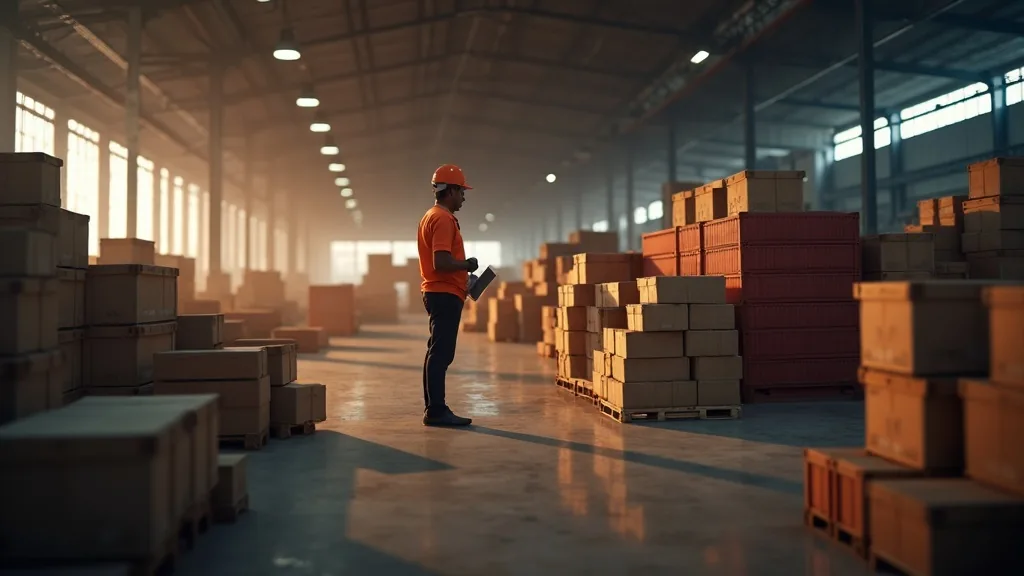
Indonesian air freight is forecast to grow around 7–8% per year from 2026 to 2031, according to 2026 market forecasts, and Denpasar is positioned to take a real share of that growth. FedEx’s Ngurah Rai gateway, opened in October 2024, is the clearest early signal. For Bali exporters, 2027 could mean more capacity, better dangerous-goods handling, and more routing choices.
One framing note before the detail: this is an outlook built on dated 2026 signals, not a prediction. Forecasts get revised, carriers redraw their networks, and regulators rewrite rules mid-game. Read everything below as planning input for 2027 shipments, not as a promise about what the market will do.
What Is Driving Indonesia Air Freight Growth Into 2027?
Sea still dominates Indonesian logistics. Sea and inland waterways carried about 77.6% of national forwarding revenue in 2025, and most containerized Bali exports still truck to Surabaya before they ever see a vessel. The air side, though, is compounding faster from a smaller base — and four dated signals matter most for anyone planning 2027 shipments out of Bali.
| Signal | Dated figure | Why it matters for Bali in 2027 |
|---|---|---|
| Indonesian air freight growth | Around 7–8% CAGR forecast, 2026–2031 | More scheduled capacity competing for cargo ex-Denpasar |
| Cross-border express parcels | About 7.34% CAGR forecast, 2026–2031 | Small, urgent shipments gain service options and frequency |
| National infrastructure spend | Over USD 400 billion through 2031 | Sea Toll routes and hub upgrades; some inter-hub transits cut up to 40% |
| FedEx Denpasar gateway | Opened October 2024 | On-island express uplift plus streamlined Class 9 DG customs |
None of these figures is a Bali-only number, and that matters. A 7–8% national growth curve does not guarantee Denpasar a proportional slice. But when a global integrator invests in airport infrastructure at Ngurah Rai International Airport rather than routing everything through Jakarta, the reasonable read is that Denpasar’s slice is expected to grow, not shrink.
How Should Bali Exporters Use the Denpasar Hub in 2027?
The practical question is not whether the hub grows — it is which of your shipments belong in the air. Air freight ex-Ngurah Rai suits high value-per-kilogram cargo on a deadline: textiles for a season launch, artwork sold to an overseas buyer, product samples, and urgent replacement pieces for villa fit-out projects. Furniture and stone carvings almost always stay on the water.
A workable 2027 routine looks like this:
- Screen by chargeable weight. Air freight is priced per kilogram on chargeable (volumetric) weight, so bulky-but-light cargo can cost more than its scale weight suggests.
- Book through one coordinator. A Bali-based air freight forwarder can consolidate pickups from Seminyak, Canggu, Ubud, and the Sukawati–Gianyar craft belt into a single airport handover, which is where most timing errors get caught.
- Prepare documents early. Every export needs a commercial invoice and packing list; air shipments move on an Air Waybill, and a Certificate of Origin can reduce import duty at destination.
Since DGCE Regulation 22/2024 moved Indonesian export declarations to electronic submission — with transitional ambiguities documented through 2025 and 2026 — early document preparation matters more in 2027, not less.
Why Does the FedEx Gateway Matter So Much?
Because infrastructure commitments are slower to reverse than schedules. Flights can be cut in a bad quarter; a gateway with customs facilities is a multi-year bet on Denpasar volume.
The October 2024 opening included streamlined customs handling for Class 9 dangerous goods — the class that covers lithium batteries and several other regulated items now common in retail and villa-equipment shipments. Before that, DG cargo from Bali often faced routing detours or outright refusals at origin. On-island DG capability shortens that path, although acceptance remains case-by-case under carrier rules.
For 2027, the gateway also works as a signal to the rest of the market. Integrator investment tends to pull competing capacity toward the same airport, which is why 2026 commentary treats Denpasar as an emerging secondary hub rather than a permanent spoke.
What Could Capacity, DG Handling, and Transit Look Like in 2027?
| Dimension | 2026 baseline | Plausible 2027 direction (outlook, not prediction) |
|---|---|---|
| Capacity | Growing belly and express uplift ex-Ngurah Rai | More frequency if the 7–8% national curve holds |
| DG handling | Class 9 streamlined customs at the FedEx gateway since October 2024 | Broader shipper familiarity with DG paperwork ex-Bali |
| Transit options | Air direct ex-Denpasar; sea via trucking to Surabaya | More real air-vs-sea choices per shipment, lane by lane |
The sea baseline makes the transit point concrete. Australia — the most predictable sea lane out of Bali — is commonly quoted at 4 to 8 weeks door-to-door in 2026 commentary. Air compresses that to days. Growth on the air side does not replace the sea network; it hands Bali exporters a genuine second lever per shipment instead of a single default.
When Does Air Beat Sea for a Bali Export in 2027?
Run the same three checks a forwarder runs:
- Value density. Air is priced per kilogram; LCL sea freight per cubic metre; and once a shipment reaches roughly 13 cbm, FCL usually beats LCL anyway. High value in low weight favors air.
- Deadline cost. If missing a retail season or a project handover costs more than the freight difference, air wins the argument.
- Risk profile. Cargo insurance commonly runs about 2% of declared goods value regardless of mode, as of 2026, but multi-touch LCL routings — loaded in Bali, unloaded in Java, reloaded in Singapore — add handling exposure that air largely avoids.
Any figures here are indicative, dated to 2026, and move with fuel, season, and lane demand. Estimates are planning tools; final decisions rest with carriers and authorities.
What Could Slow This Outlook Down?
Three documented shocks belong in any 2027 plan:
- The United States suspended de minimis treatment for Indonesia in August 2025, so every commercial shipment to the US now attracts duties and full customs processing — a direct hit to the express-parcel economics that fuel part of the air growth story.
- HS 2028 nomenclature revisions will force HS-code re-verification across product lines, and misclassified cargo is delayed cargo.
- The electronic export regime under DGCE Regulation 22/2024 still carried transitional ambiguities through 2025–2026; paperwork friction at origin can erase an air-speed advantage.
None of these cancels the growth outlook. They are the reasons it stays an outlook.
Frequently Asked Questions
How fast is Indonesian air freight expected to grow through 2027?
Market forecasts published in 2026 point to roughly 7–8% compound annual growth for Indonesian air freight between 2026 and 2031, with cross-border courier-express-parcel revenue growing around 7.34% CAGR over the same window. Those are national figures, not Denpasar-specific, and forecasts get revised. Treat 2027 as a growth year in outlook terms, not a guaranteed outcome.
Will a stronger Denpasar hub lower air freight rates from Bali in 2027?
Not automatically. More capacity and more competition can widen routing options, but air rates are quoted per kilogram on chargeable weight and move with fuel, season, and lane demand. Any 2027 figure you see should be read as a dated, indicative estimate: quotes need re-validation close to departure, and final pricing decisions rest with carriers and authorities.
Can dangerous goods fly out of Denpasar after the FedEx gateway opening?
Yes, within limits. The FedEx gateway that opened at Ngurah Rai in October 2024 includes streamlined customs handling for Class 9 dangerous goods, the class covering items such as lithium batteries. Acceptance is still case-by-case: classification, packing, and documentation must meet carrier rules, and final decisions on any DG shipment rest with carriers and authorities.
Need this priced for your lane?
Tell us the cargo, the lane and the Incoterm. You get a written, leg-by-leg quote — every charge named.