
Bali Freight Forwarder Journal ·
Digital Freight Platforms Indonesia 2027: Bali Outlook
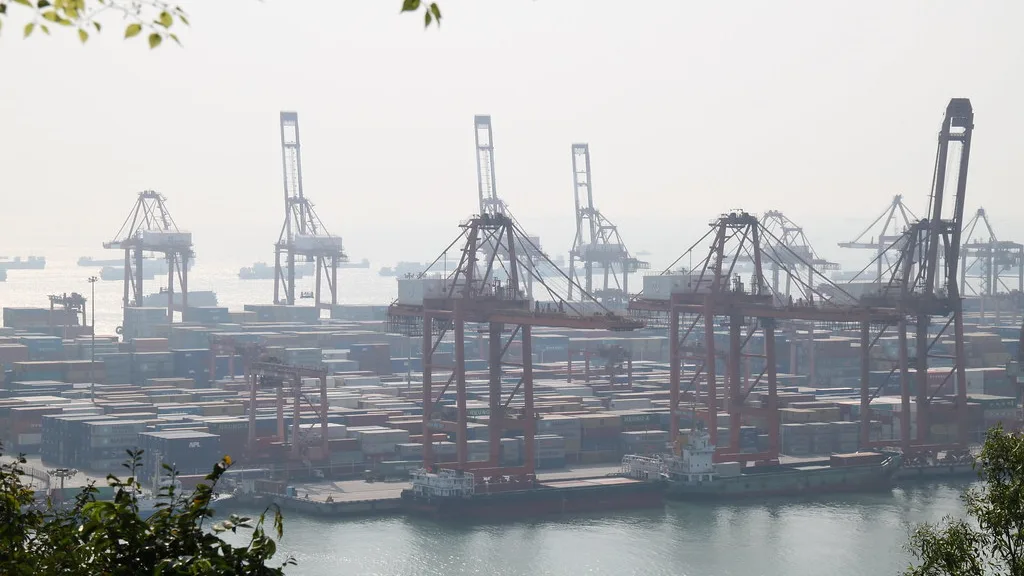
By 2027, Bali exporters should expect digital freight forwarding platforms that quote LCL and air rates online within hours, track containers through blockchain-backed milestones, and file customs electronically — while the judgment calls on crating, endorsements, and routing still sit with human desks. That is an outlook grounded in dated 2026 signals, not a prediction.
Indonesia’s logistics digitalization stopped being a slide-deck promise somewhere in 2026. Blockchain tracking pilots and automated warehouses were documented in 2026 industry analyses, national infrastructure programs exceeding USD 400 billion run through 2031, and the customs authority already moved exports to electronic submission under DGCE Regulation 22/2024. This piece maps what those dated signals mean for a furniture maker in the Sukawati craft belt or a villa fit-out shipper in Canggu who wants to quote and book freight from a phone by 2027.
What Do 2026 Signals Point To for 2027?
Five developments carry real dates, which is what separates an outlook from a guess.
| 2026 signal (dated) | What it implies for 2027 platforms |
|---|---|
| Blockchain tracking pilots documented in 2026 Indonesian logistics analyses | Container milestones verified across multiple parties, not just one carrier’s status feed |
| Automated warehouses appearing in the same 2026 analyses | Tighter consolidation cut-offs for Bali LCL cargo staged in Surabaya |
| DGCE Regulation 22/2024 electronic export submissions | Customs filing becomes an integration problem — though transitional ambiguities were documented through 2025-2026 |
| FedEx gateway at Ngurah Rai International Airport, opened October 2024 | Air cargo ex-Denpasar gains streamlined customs handling, including Class 9 dangerous goods |
| Infrastructure programs above USD 400 billion through 2031 | Sea Toll routes and deep-sea ports under the Global Maritime Fulcrum, with strategic projects cutting some inter-hub transit times up to 40% |
The market weighting matters too. Sea and inland waterways carried about 77.6% of Indonesian forwarding revenue in 2025, so a platform that only digitalizes parcels is ignoring where the money moves. Air freight is forecast to grow around 7-8% CAGR from 2026 to 2031, and cross-border courier-express-parcel revenue about 7.34% CAGR over the same window, according to 2026 market forecasts. Instant digital quoting will mature in those faster segments first, then work backward into sea freight.
What Should Digital Quoting Look Like for Bali SMEs by 2027?
Start with what a real Bali quote contains, because any platform that shows less is hiding cost rather than removing it. Published Bali LCL rates in 2026 typically include ocean freight, inland trucking from Bali to Surabaya, pickup anywhere in Bali, export packing, export documents, and humidity absorbers. Extra line items sit on top: wood and stone endorsements, phytosanitary certificates, and special fumigation where cargo requires it.
A 2027-grade digital quote should therefore show, at minimum:
- Per-cubic-metre LCL pricing with the inclusions listed line by line, not bundled into one number
- Chargeable-weight air pricing per kilogram, with the volumetric calculation visible
- The FCL crossover flag — once a shipment reaches roughly 13 cbm, FCL is usually cheaper than LCL
- Cargo insurance, commonly charged at about 2% of declared goods value as of 2026
- Destination charges for USA and Canada lanes: a Destination Delivery Charge per cbm plus AMS or ACI filing fees
- A validity date, because lane rates move with fuel, season, and space
Until platforms render every one of those items honestly, a structured Bali freight forwarder quote handled by a human desk remains the faster route to a number you can budget against. All figures above are indicative as of 2026, not contractual — final decisions rest with carriers and authorities.
Can a Platform Model Bali’s Multi-Touch LCL Reality?
Here is the test most quoting tools fail. Typical LCL routing published by Bali forwarders in 2026 runs: cargo loaded in Bali, unloaded in Java, reloaded in Singapore, then unloaded at destination. Before that, most containerized exports truck inland from Bali to Surabaya, with Tanjung Priok in Jakarta and Tanjung Emas in Semarang as the other strategic gateways, while Benoa Port serves as Bali’s own seaport.
Four handling touches is why professional crating built to the ISPM-15 wood-packaging standard is not optional for stone carvings, teak furniture, or artwork. It is also why some cargo cannot be quoted digitally at all without a rules engine: certain Ethylene Oxide-treated goods cannot ship LCL and must go FCL, full stop.
A clean interface that draws one line from Denpasar to Sydney hides three transshipments. The most predictable lane out of Bali — Australia, commonly quoted at 4-8 weeks door-to-door in 2026 commentary — still carries that multi-touch structure underneath. Judge a platform by whether it exposes the touches, not by how smooth it makes them look.
How Do You Evaluate Platforms vs Human Desks?
Run both against the same shipment and compare where each one earns its keep.
| Dimension | Digital platform, 2027 outlook | Bali human desk, 2026 reality |
|---|---|---|
| Speed to first number | Minutes, for standard lanes and clean cargo | Hours to a day, but the number includes endorsements |
| Line-item honesty | Only as good as its rate database | Quotes itemize packing, trucking, documents by default |
| Exception handling | Weak — mixed cargo, EO-treated goods, oversized crates break the form | Strong — this is the core skill |
| Customs filing | Improving via DGCE 22/2024 electronic submissions | Forwarders file daily and absorb transitional ambiguity |
| Tracking | Blockchain pilots promise multi-party verification | WhatsApp updates plus carrier portals |
| Document generation | Templates for commercial invoice and packing list | Adds Bill of Lading handling, Air Waybill, Certificate of Origin advice |
The evaluation question for a Gianyar exporter is not “platform or human” but “which tasks move to the screen first”. Quoting standard repeat lanes and tracking milestones digitalize early. Crating decisions, endorsement paperwork, and anything touching a Certificate of Origin — which can reduce destination import duty — stay with people longer, because errors there cost real money at destination.
Which Rules Will Stress-Test Platforms Through 2027?
Three regulatory shocks with dates attached will decide which platforms survive contact with reality.
First, the United States suspended de minimis treatment for Indonesia in August 2025, so every commercial shipment to the US now attracts duties and full customs processing. A quoting tool that cannot compute landed cost per HS code produces numbers that are wrong on arrival.
Second, EU timber-legality and deforestation-free due-diligence rules tighten through 2027 for wood and rattan. A teak console or rattan set shipped to Rotterdam will need due-diligence data attached — a field most booking flows do not yet carry.
Third, HS 2028 nomenclature revisions will force HS-code re-verification across the board. A platform running a stale HS table will misclassify cargo and misquote duty quietly, which is worse than failing loudly.
Every export still rests on the same paper spine: commercial invoice and packing list for all shipments, a Bill of Lading for sea — a title document — and an Air Waybill for air. Platforms that generate these correctly will earn trust; the final word on clearance always rests with carriers and authorities.
Frequently Asked Questions
Will digital freight platforms replace Bali forwarders’ human desks by 2027?
The 2026 evidence points to hybrid, not replacement. Blockchain tracking pilots and automated warehouses digitalize visibility and consolidation, but Bali’s multi-touch LCL routing, wood and stone endorsements, and crating decisions still need people who have shipped that cargo before. Expect platforms to handle quoting and tracking while human desks keep exception handling and packing judgment.
Can Bali SMEs get instant online LCL quotes by 2027?
Partially. Per-cubic-metre LCL pricing is simple enough to automate, and 2026 market forecasts show the digital-friendly courier-express-parcel segment growing about 7.34% annually through 2031. But a complete Bali LCL quote also carries endorsements, phytosanitary certificates, fumigation, and destination charges like the US Destination Delivery Charge plus AMS filing — items that still need shipment-specific review. Treat any instant number as indicative.
How does DGCE Regulation 22/2024 shape digital booking platforms for 2027?
Indonesia’s customs authority moved export submissions to electronic filing under DGCE Regulation 22/2024, which makes customs an integration problem platforms can eventually solve. The catch: transitional ambiguities were documented through 2025-2026, so platforms wiring into the system must handle rule changes mid-shipment. Forwarders who file daily currently absorb that ambiguity for you — worth checking before trusting any 2027 self-service booking flow.
Need this priced for your lane?
Tell us the cargo, the lane and the Incoterm. You get a written, leg-by-leg quote — every charge named.