
Bali Freight Forwarder Journal ·
Bali Export Logistics 2027 Outlook for Small Exporters
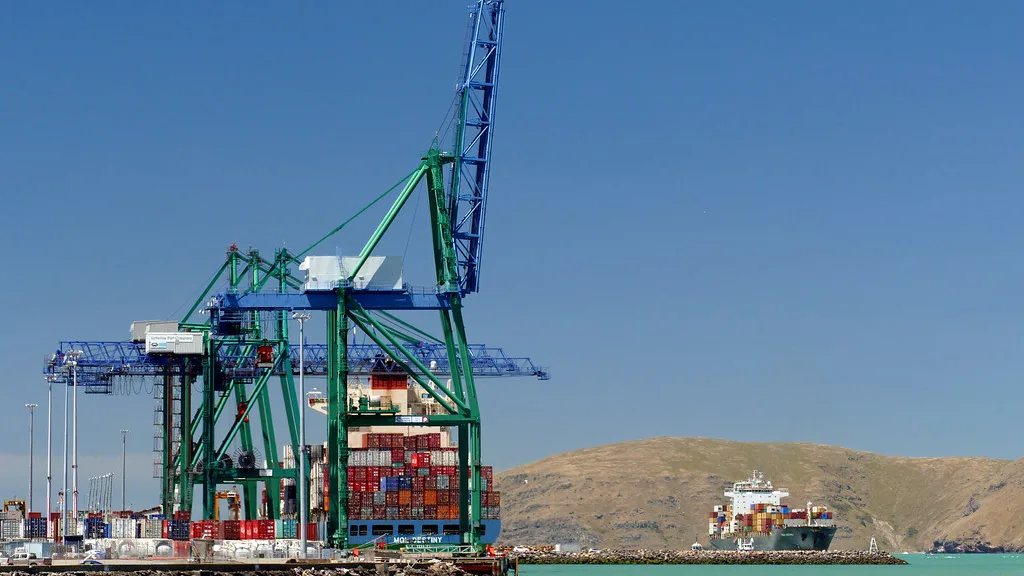
For small Bali exporters, 2027 is shaping up as a year of tighter foreign customs and better domestic infrastructure. Expect stricter US and EU entry rules, fully electronic Indonesian clearance, growing air capacity ex-Ngurah Rai, and faster inter-island links — all signalled by dated 2025–2026 evidence, not guesswork. What you prepare in 2026 decides how much of it works in your favour.
Why Does 2027 Look Different for Small Bali Exporters?
Three forces are converging at once. Foreign customs regimes hardened through 2025 and 2026: the United States suspended de minimis treatment for Indonesia in August 2025, and EU timber-legality rules keep tightening through 2027. Indonesia’s own clearance system went electronic under DGCE Regulation 22/2024. And national infrastructure spending exceeding USD 400 billion through 2031 is starting to shorten inter-hub transit times.
None of this is prediction. Every claim below carries a date from 2025–2026 regulations and forecasts, and the honest framing is outlook, not certainty — rates, transit times, and enforcement practice all move, and final decisions rest with carriers and authorities. Still, the pattern is distinct enough that the questions small shippers put to a freight forwarding company in Bali during 2026 increasingly begin with “what changes next year?”
Bali’s export base — furniture, teak and rattan, stone carvings, textiles, handicrafts, and villa fit-outs from the Seminyak, Canggu, Ubud, Sanur, and Sukawati–Gianyar craft belt — sits squarely inside the categories these changes touch most.
What Is the 2027 Outlook, Theme by Theme?
| Theme | 2026 signal (dated) | 2027 outlook | Small-exporter move |
|---|---|---|---|
| US customs | De minimis suspended for Indonesia, August 2025; every commercial shipment attracts duties and full processing | Full-entry filings stay the norm; AMS filings and per-cbm Destination Delivery Charges continue on US lanes | Model landed cost per shipment, not just freight |
| EU wood and rattan | Deforestation-free due-diligence rules tightening through 2027 | Documentation burden rises for teak, rattan, and wooden furniture | Build a supplier legality file now |
| HS codes | HS 2028 nomenclature revisions announced | Codes used since 2022 may shift or split | Re-verify every HS code before the first 2027 shipment |
| Indonesian clearance | Electronic export submissions under DGCE Regulation 22/2024, transitional ambiguities documented through 2025–2026 | Digital-first clearance settles; paper fallbacks fade | Keep invoice and packing-list data clean and consistent |
| Infrastructure | Programs above USD 400 billion through 2031, including Sea Toll routes and deep-sea ports; some inter-hub transits cut up to 40% | Gradually steadier Bali–Java legs | Re-quote lanes annually; savings arrive lane by lane |
| Air capacity | FedEx gateway at Ngurah Rai opened October 2024; Indonesian air freight forecast around 7–8% CAGR 2026–2031 | More uplift and services ex-Denpasar | Compare air against LCL for light, urgent cargo |
| Parcel and express | Cross-border courier-express-parcel revenue forecast about 7.34% CAGR 2026–2031 | Better small-parcel options for samples | Split sample shipments from bulk freight |
What Will US and EU Customs Demand from Bali Cargo?
The hardest external shift is American. Since the August 2025 suspension of de minimis treatment for Indonesia, there is no duty-free threshold for commercial goods entering the US: every shipment, however small, attracts duties and full customs processing. On US and Canada lanes, expect the established add-ons too — a Destination Delivery Charge per cubic metre plus AMS filing fees for the US or ACI for Canada.
Europe presses from a different angle. Deforestation-free and timber-legality due-diligence rules tighten through 2027, and they land directly on Bali’s wood and rattan trades. Expect buyers to request legality documentation, and keep the fundamentals ready regardless of destination: commercial invoice and packing list on every export, a Bill of Lading for sea freight or an Air Waybill for air, ISPM-15 compliant wood packaging, and a Certificate of Origin wherever it reduces destination import duty.
Layered over both markets, HS 2028 nomenclature revisions will force re-verification of the codes on which duty rates hang. A code that cleared smoothly in 2026 may map differently in 2027.
How Are Indonesian Clearance and Infrastructure Shifting?
At home, the direction is digital and faster. Indonesia’s customs authority moved to electronic export submissions under DGCE Regulation 22/2024, with transitional ambiguities documented through 2025 and 2026. In practice, exporters whose paperwork is clean and consistent clear with less friction, while inconsistent data gets flagged by systems rather than smoothed over at a counter.
Physically, most containerized Bali cargo still trucks inland to Surabaya for loading, with Tanjung Priok in Jakarta and Tanjung Emas in Semarang as the other strategic gateways and Benoa Port serving Bali directly. Sea and inland waterways carried about 77.6% of Indonesian forwarding revenue in 2025, so the national programs — over USD 400 billion through 2031, including Sea Toll routes and deep-sea ports under the Global Maritime Fulcrum strategy — matter enormously here. Strategic projects are already cutting some inter-hub transit times by up to 40%. For a small exporter, the reasonable 2027 expectation is steadier Bali–Java legs, not a guaranteed timetable.
Where Is Capacity Growing for Small Shipments?
Air is the bright spot. Indonesian air freight is forecast to grow around 7–8% annually from 2026 to 2031, and Bali starts from stronger bones than most secondary markets: FedEx opened a new gateway at Ngurah Rai International Airport in Denpasar in October 2024, including streamlined customs handling for Class 9 dangerous goods. Cross-border courier-express-parcel revenue is forecast to grow about 7.34% annually over the same window — useful for samples and small replenishment orders that never need a container.
For benchmarking, Australia remains the most predictable ex-Bali lane, commonly quoted at 4–8 weeks door-to-door in 2026 commentary. Treat that as the yardstick; US and EU lanes carry more variance.
What Should You Prepare Before January 2027?
| Preparation | Why now | Cost signal (indicative, as of 2026) |
|---|---|---|
| Re-verify HS codes | HS 2028 revisions shift classifications | Usually free through your forwarder |
| Landed-cost model for US buyers | No de minimis since August 2025 | DDC per cbm plus AMS fees on top of freight |
| Supplier legality file for wood and rattan | EU rules tighten through 2027 | Days of admin, not dollars |
| Decide LCL versus FCL by volume | FCL usually cheaper from roughly 13 cbm | LCL priced per cbm; air per kg chargeable weight |
| Insure declared value | Multi-touch LCL routing: loaded in Bali, unloaded in Java, reloaded in Singapore | Commonly about 2% of declared goods value |
| Crate to ISPM-15 | International wood-packaging standard | Export packing included in many published Bali LCL rates |
Per published Bali forwarder terms in 2026, LCL rates typically bundle ocean freight, Bali–Surabaya trucking, pickup anywhere in Bali, export packing, export documents, and humidity absorbers, while wood and stone endorsements, phytosanitary certificates, and special fumigation bill separately. Note one hard constraint: some Ethylene Oxide-treated goods cannot ship LCL and must go FCL. Every figure in this outlook is indicative and date-stamped — pricing moves with lanes, fuel, and season, and final decisions rest with carriers and authorities.
Frequently Asked Questions
Will shipping from Bali cost more in 2027 than in 2026?
No honest forwarder will promise a direction. Freight moves with fuel, season, and lane capacity. What is already certain is higher landed cost on US shipments — de minimis has been suspended since August 2025, so duties and full processing apply — while infrastructure gains cutting some inter-hub transits up to 40% may ease domestic legs. Work from dated, indicative quotes; final pricing rests with carriers and authorities.
Do small exporters need to re-check HS codes for 2027 shipments?
Yes — re-verification is the single cheapest preparation on the list. HS 2028 nomenclature revisions mean codes that cleared smoothly through 2026 may split, merge, or shift, and destination duty rates hang on those codes. Before your first 2027 shipment, run every product code past your forwarder or a customs broker. It typically costs nothing and prevents misclassification delays or surprise duty bills.
How do EU deforestation rules affect a small Bali furniture exporter?
EU deforestation-free and timber-legality due-diligence rules tighten through 2027, so buyers of teak, rattan, and wooden furniture will increasingly ask for proof of legal, deforestation-free sourcing. Start a supplier legality file now — purchase records, harvest documentation, species details — alongside the usual phytosanitary certificates and ISPM-15 packaging. Exporters who assemble records during 2026 keep their EU buyers; those who wait risk rejected consignments.
Need this priced for your lane?
Tell us the cargo, the lane and the Incoterm. You get a written, leg-by-leg quote — every charge named.