
Bali Freight Forwarder Journal ·
LCL vs FCL Shipping From Bali: Cost and Risk Compared
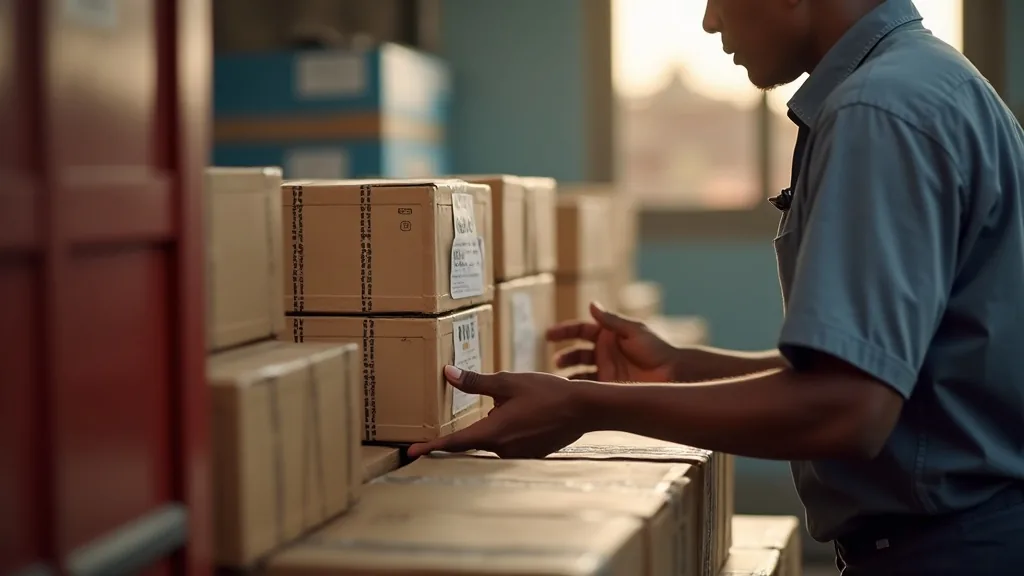
LCL shipping from Bali is priced per cubic metre; FCL is priced per container. Per 2026 forwarder guidance, once a shipment reaches roughly 13 cbm, FCL usually costs less — and it carries less risk at any size, because the container is loaded once in Bali instead of being restacked at every transshipment port.
That single crossover decides most Bali export plans, but the details reward attention. The break-even point moves with your lane, your cargo type, and even your fumigation treatment. Here is how the cost and risk math actually works this year.
How Are LCL and FCL Priced Differently Ex-Bali?
LCL (less than container load) bills by volume. Every cubic metre you add is another line on the invoice, and published Bali LCL rates in 2026 typically bundle quite a lot into that per-cbm figure:
- Ocean freight to the destination port
- Inland trucking from Bali to Surabaya, where most containerized Bali cargo actually ships out
- Pickup anywhere in Bali — Seminyak, Canggu, Ubud, Sanur, or the Sukawati–Gianyar craft belt
- Export packing plus humidity absorbers
- Export documents: commercial invoice, packing list, and the Bill of Lading
Extras sit outside the base rate. Wood and stone endorsements, phytosanitary certificates, and special fumigation are billed as separate line items per published Bali forwarder terms.
FCL (full container load) flips the logic. You pay a flat rate for the box — a 20-footer takes roughly 25–28 cbm of well-packed cargo — whether you fill it or not. A Bali FCL freight forwarder prices the container, the Bali–Surabaya trucking leg, and the export paperwork as one plan, which is why container planning should start before your purchasing does.
One cost applies to both modes: cargo insurance, commonly charged at about 2% of declared goods value as of 2026. On a USD 20,000 furniture order, budget around USD 400.
Where Does the 13 CBM Crossover Sit in 2026?
Because LCL accumulates per cbm while FCL stays flat, there is always a volume where the two lines cross. Bali forwarder guidance in 2026 puts that crossover at roughly 13 cbm — beyond it, a dedicated 20ft container is usually the cheaper buy.
The scenarios below show the billing logic, not fixed tariffs:
| Shipment volume | How LCL bills it | How FCL bills it | Usual 2026 outcome |
|---|---|---|---|
| 3 cbm (a few crates of carvings) | 3 × per-cbm rate | Full 20ft price for a nearly empty box | LCL clearly wins |
| 8 cbm (small furniture order) | 8 × per-cbm rate | Full 20ft price | LCL still ahead |
| 10–12 cbm (large mixed order) | Per-cbm total climbing fast | Flat 20ft price | Quote both — the gap narrows |
| ~13 cbm | Per-cbm total near the container price | Flat 20ft price | FCL usually wins |
| 20+ cbm (villa fit-out) | Punishing per-cbm total | One 20ft, or step up to a 40ft | FCL, no contest |
Two lane-specific effects can drag the crossover lower. On USA and Canada routes, expect a Destination Delivery Charge billed per cbm at arrival, plus AMS (US) or ACI (Canada) filing fees — charges that scale against LCL. And since the United States suspended de minimis treatment for Indonesia in August 2025, every commercial shipment to the US attracts duties and full customs processing, which pushes American buyers toward fewer, larger consolidated orders — exactly the volumes where FCL wins.
All figures here are indicative and dated to 2026. Rates move with lanes, fuel, and season, and final decisions rest with carriers and authorities.
Why Does LCL Carry More Handling Risk Than FCL?
Cost is only half the comparison. The typical LCL routing published by Bali forwarders in 2026 runs like this:
- Cargo is picked up and loaded in Bali
- Trucked overland and unloaded in Java
- Reloaded into a consolidation container bound for Singapore
- Unloaded and re-sorted in Singapore
- Loaded a final time toward the destination port
Every one of those touches means forklifts, restacking, and neighbouring cargo you did not choose. That is why Bali forwarders insist on professional crating for stone carvings, artwork, and teak furniture moving LCL — and why wooden crates must meet ISPM-15, the international standard for wood packaging, or risk rejection at destination.
FCL removes almost all of that exposure. The container is stuffed at origin — often at your supplier’s warehouse in Gianyar or Denpasar — sealed, and next opened at destination. One loading event instead of four or five.
Even the most predictable lane out of Bali shows the difference. Australia, commonly quoted at 4–8 weeks door-to-door in 2026 commentary, is the benchmark route ex-Bali — yet on LCL those weeks still include the Java and Singapore handling stops. On FCL the same lane runs with the seal intact from Bali to your door.
Which Bali Shipments Are Forced Into FCL?
Some cargo does not get a choice. Under published 2026 forwarder terms, certain Ethylene Oxide-treated goods cannot ship LCL at all — consolidators will not co-load them with other shippers’ cargo — so they must book a dedicated container regardless of volume. If your handicraft or rattan order requires that treatment, the LCL-versus-FCL question is already answered for you.
Other shipments end up FCL by prudence rather than rule: high-value artwork a buyer refuses to co-load, villa fit-outs that blow past 13 cbm anyway, and stone orders where weight, endorsements, and crating costs erode LCL’s advantage line by line.
Should You Choose LCL or FCL From Bali?
| Factor | Lean LCL | Lean FCL |
|---|---|---|
| Volume | Under ~10 cbm | ~13 cbm and above |
| Budget shape | Pay only for space used | Flat, predictable box price |
| Fragility | Sturdy, well-crated goods | Stone, art, high-value teak |
| Fumigation | Standard treatments | EtO-treated goods (mandatory FCL) |
| US/Canada lanes | Small orders despite DDC + AMS/ACI | Consolidated post-de-minimis orders |
| Custody control | Accept multi-touch handling | Sealed door-to-door container |
The honest playbook for 2026: below 10 cbm, ship LCL with professional crating and insurance. Above 13 cbm, take the container. In between, ask for both quotes in writing on the same day — dated, itemized, with any US or Canada destination fees spelled out — and let the numbers decide. Estimates remain indicative; carriers and customs authorities always have the final word.
Frequently Asked Questions
At what volume does FCL become cheaper than LCL from Bali?
Around 13 cbm, per 2026 guidance published by Bali forwarders. LCL charges per cubic metre, so cost climbs with every carton; FCL is a flat box rate. From about 10 cbm, ask your forwarder to price both — on US and Canada lanes, per-cbm destination delivery charges and AMS or ACI filing fees push the crossover even lower. Estimates are indicative; carriers set final rates.
Is LCL from Bali riskier than FCL for fragile cargo like stone or art?
Yes, measurably. Typical LCL routing published by Bali forwarders in 2026 loads cargo in Bali, unloads it in Java, reloads it in Singapore, then unloads at destination — four handling events versus one sealed FCL loading. Stone carvings and artwork survive LCL only with professional ISPM-15 crating, and cargo insurance at about 2% of declared value is strongly advised.
Why do some fumigated goods from Bali have to ship FCL?
Certain Ethylene Oxide-treated goods cannot travel in shared LCL containers under published 2026 forwarder terms, because co-loading treated cargo alongside other shippers’ goods is not accepted. These shipments must book a dedicated FCL container regardless of volume. If your teak, rattan, or handicraft order needs special fumigation, flag it at quotation stage so the container plan is priced correctly.
Need this priced for your lane?
Tell us the cargo, the lane and the Incoterm. You get a written, leg-by-leg quote — every charge named.