
Bali Freight Forwarder Journal ·
Post De Minimis US Import Rules for Bali Exports 2027
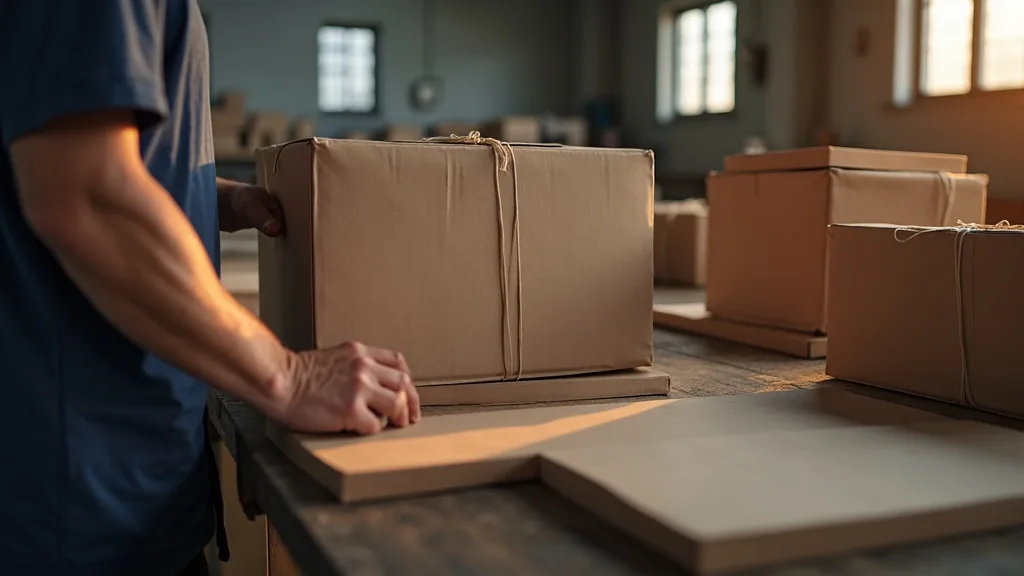
Since the United States suspended de minimis treatment for Indonesia in August 2025, every commercial shipment from Bali to America — even a USD 50 parcel — attracts import duties and full customs processing. Heading into 2027, the working response is consolidation: fewer, larger, properly brokered shipments, with landed cost calculated before the goods ever leave Denpasar.
One honesty note before the playbook: this is an outlook built on dated 2026 signals, not a prediction. Trade policy moved fast between 2025 and 2026 and can move again. What follows is how Bali exporters are actually adapting as of mid-2026, and the arithmetic behind each move.
What Changed When the US Suspended De Minimis in August 2025?
Before the suspension, a parcel of Bali goods declared under USD 800 usually entered the United States duty-free with minimal formality. That threshold — the de minimis exemption — quietly powered thousands of furniture samples, textile drops, and one-off artwork shipments from Seminyak studios and the Sukawati craft belt.
The August 2025 suspension removed that shortcut for Indonesian-origin goods. Every commercial shipment now needs a customs entry, a duty calculation on the full declared value, and in most cases a licensed US customs broker.
| Cost line | Before August 2025 (parcel under USD 800) | After suspension (2026–2027) |
|---|---|---|
| Import duty | None under de minimis | Payable on full declared value at the HS-code rate in force |
| US customs entry | Automated release, no formal entry | Informal or formal entry filed by a licensed broker |
| Brokerage | Usually none | Per-entry broker fee |
| Security filings | Handled invisibly by the courier | AMS filing on every ocean shipment |
| Destination charges | Minimal | Destination Delivery Charge per cbm on LCL, plus terminal fees |
| Clearance rhythm | Courier-fast, often days door-to-door | Full customs processing added to every shipment |
Structures above are indicative as of 2026 and shift with policy. Final decisions rest with carriers and authorities.
How Does the US Lane Actually Run from Bali?
Bali’s own seaport is Benoa, but most containerized exports truck inland from Bali to Surabaya before sailing, with Tanjung Priok in Jakarta and Tanjung Emas in Semarang as the other strategic gateways. Typical LCL routing published by Bali forwarders in 2026 loads cargo in Bali, unloads it in Java, reloads it in Singapore, and unloads again at destination — four touches that make professional crating and ISPM-15 compliant wood packaging essential on a long Pacific lane. Air cargo flies ex-Ngurah Rai International Airport, Denpasar, where FedEx opened a new gateway in October 2024.
US lanes carry two extra line-items you will not see on, say, an Australia quote: a Destination Delivery Charge per cbm and an AMS filing fee. An experienced Bali international freight forwarder builds both into the quotation up front, so the numbers you approve in Denpasar are the numbers that appear at the US port — not a surprise invoice three weeks later.
How Do You Calculate Landed Cost Before Booking?
Landed cost is the whole journey in one number: goods, export-side charges, freight, insurance, and US-side duty and fees. Run it before production finishes, not after.
A worked example, indicative as of mid-2026 — 6 cbm of stone carvings, declared value USD 4,000, LCL to the US West Coast:
- Goods value: USD 4,000 on the commercial invoice.
- Ocean freight: LCL is priced per cubic metre. Published Bali LCL rates typically bundle ocean freight, inland trucking Bali–Surabaya, pickup anywhere in Bali, export packing, export documents, and humidity absorbers.
- Export extras: a stone endorsement, plus special fumigation where the destination demands it.
- Insurance: commonly about 2% of declared goods value — roughly USD 80 here.
- US-side fixed costs: the Destination Delivery Charge multiplied across 6 cbm, one AMS filing, one broker entry fee.
- Duty: declared value times the rate for your HS code. Purely for illustration, a 10% line on USD 4,000 adds USD 400; your real rate depends on the code and the tariff schedule in force when the vessel arrives.
Two mistakes dominate 2026 post-mortems. Under-declaring value invites penalties and seizure — it is fraud, not a tactic. And quoting from a stale HS code is about to get riskier: HS 2028 nomenclature revisions will force re-verification of codes, so a rate memorised in 2025 may point at the wrong line by the time 2027 arrives. All figures above are indicative estimates; final decisions rest with carriers and authorities.
Which Consolidation Moves Blunt the Duty Impact?
Duty scales with value, but the fixed costs — entry fees, AMS, brokerage, per-cbm destination charges — scale with the number of shipments. Consolidation attacks the fixed costs.
- Batch orders monthly. Ten small parcels mean ten entries and ten broker fees. One consolidated LCL shipment means one of each.
- Cross the FCL line. Once a shipment reaches roughly 13 cbm, FCL is usually cheaper than LCL — and a sealed container skips the Java and Singapore re-handling entirely. Some Ethylene Oxide-treated goods cannot ship LCL at all and must go FCL regardless.
- Ship to a US warehouse, fulfil domestically. Many Bali e-commerce sellers now land one consolidated shipment at a US third-party warehouse, clear it as a single entry, then send customer orders as domestic parcels.
- File a Certificate of Origin. It can reduce destination import duty, and it costs far less than the duty it may save.
- Crate like the route demands. Multiple touches between Benoa, Surabaya, Singapore, and the US coast are exactly where corners break and claims begin.
What Broker Filings Are Now Non-Negotiable?
Paperwork is where the post-de-minimis regime bites day to day. As of 2026 the standing checklist for a Bali-to-US shipment looks like this:
- Commercial invoice and packing list — required on every export, and the numbers must match your US entry exactly.
- Bill of Lading for sea freight — a title document, so errors here are ownership problems, not typos. Air shipments move on an Air Waybill.
- AMS filing for US-bound ocean cargo, lodged ahead of arrival; Canada-bound cargo files ACI instead.
- US customs entry through a licensed broker, with a customs bond where a formal entry is required.
- Indonesian export declaration — Indonesia’s customs authority moved to electronic export submissions under DGCE Regulation 22/2024, with transitional ambiguities documented through 2025 and 2026, so allow slack in the timeline rather than betting on same-day approvals.
Mismatched values between the Indonesian export declaration and the US entry are the classic self-inflicted hold. One set of numbers, used everywhere, is the cheapest compliance program there is.
What Do 2026 Signals Say About 2027?
Outlook, not prediction — but the signals point one way. As of mid-2026, no dated announcement suggests de minimis will be reinstated for Indonesia, so a sober 2027 budget assumes every commercial shipment pays duty and treats any reversal as upside. HS 2028 revisions land in the same window, which argues for re-verifying every HS code during 2026 rather than during a January rush.
The wider market context favours exporters who adapt. According to 2026 market forecasts, Indonesian air freight should grow around 7–8% annually through 2031 and cross-border courier-express-parcel revenue about 7.34% — while sea plus inland waterways already carried about 77.6% of Indonesian forwarding revenue in 2025. National infrastructure programs exceeding USD 400 billion through 2031, including Sea Toll routes and deep-sea ports, are cutting some inter-hub transit times by up to 40%. None of that removes a US duty bill — but it steadily lowers the origin-side cost of the consolidated, well-brokered shipments the post-de-minimis era rewards.
Frequently Asked Questions
Will US de minimis treatment return for Bali exports in 2027?
No dated signal as of mid-2026 points to reinstatement for Indonesia. The August 2025 suspension remains in force, so plan 2027 budgets assuming every commercial shipment pays duty and clears full customs processing. Treat any reversal as upside rather than a base case, and re-check official US customs announcements quarterly before locking standing orders.
How much extra should I budget per shipment to the US after de minimis?
As of 2026 the added burden has two parts: duty on your declared value at your HS-code rate, plus fixed costs — broker entry, AMS filing, and a per-cbm Destination Delivery Charge on LCL. On small parcels the fixed costs dominate, which is why consolidation pays. All estimates are indicative; final figures rest with carriers and authorities.
Do small e-commerce parcels from Bali still make sense for the US in 2027?
They can, but the economics have shifted. Parcel-by-parcel shipping now carries duty and processing on every box, so margins on low-value goods compress hard. Most 2026 playbooks consolidate stock into LCL or FCL shipments to a US warehouse, then fulfil orders domestically. Courier networks keep improving — cross-border parcel revenue is forecast near 7.34% annual growth through 2031 — but they suit premium goods best.
Need this priced for your lane?
Tell us the cargo, the lane and the Incoterm. You get a written, leg-by-leg quote — every charge named.