
Bali Freight Forwarder Journal ·
Cross-Border E-Commerce Exports From Bali: 2027 Outlook
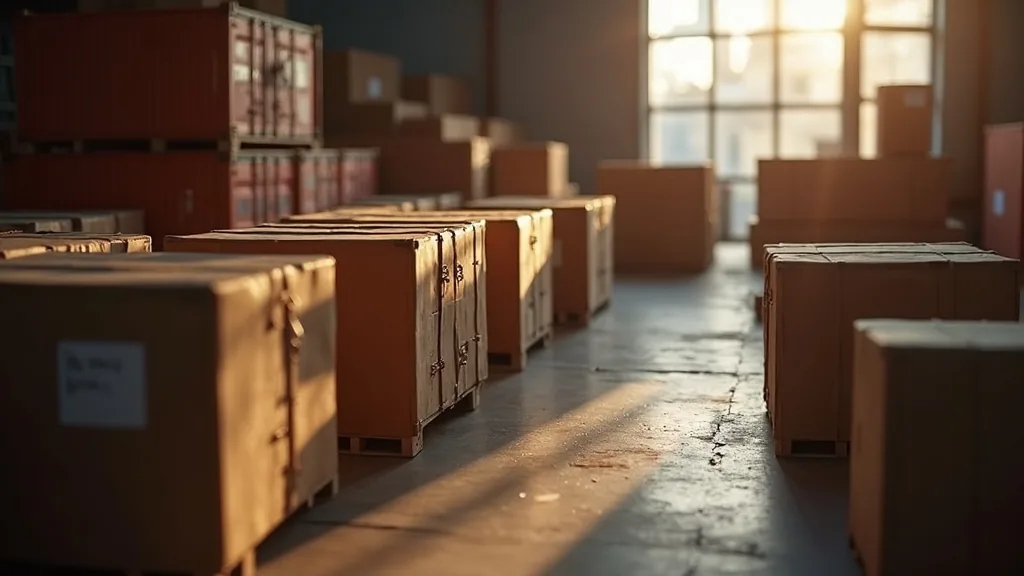
Cross-border e-commerce from Bali in 2027 rewards sellers who treat parcels like freight: consolidate air shipments ex-Ngurah Rai, price US duties into checkout now that de minimis is gone, and design a returns policy before the first order ships. International courier-express-parcel revenue is forecast to grow around 7.34% a year through 2031 — the lane is expanding, and so is customs scrutiny.
This is an outlook, not a prediction: every figure below is a dated 2026 signal, not a promise about what carriers or authorities will do next year.
Why does 2027 matter for Bali parcel sellers?
Three dated signals point the same direction. According to 2026 market forecasts, cross-border courier-express-parcel revenue is set to grow at roughly 7.34% CAGR between 2026 and 2031, while Indonesian air freight overall is projected at around 7-8% CAGR over the same window. Layer on physical capacity: FedEx opened a new gateway at Ngurah Rai International Airport in Denpasar in October 2024, with streamlined customs handling that extends to Class 9 dangerous goods — useful if your line includes lithium-battery products.
Bali therefore enters 2027 with more air-cargo capacity and more small-parcel demand than at any point this decade. The winners will run parcels as a logistics program, not as one-off courier bookings.
How should you price small-parcel shipping in 2027?
Air freight ex-Bali is priced per kilogram on chargeable weight — the higher of actual and volumetric weight — so a light but bulky macrame wall hanging can cost more to fly than a dense box of silver jewellery. Per-kilogram numbers move with fuel, season, and lane, so anchor your checkout shipping fees to current Bali air freight rates rather than a figure frozen into your store settings a year ago.
Three structural rules held through 2026 and belong in every 2027 budget:
- Courier express — the door-to-door parcel networks — wins on speed for single orders, but you pay a premium on every kilogram.
- Air consolidation, where a forwarder batches a week of orders into one master shipment under a single Air Waybill, usually beats courier per-kg pricing once your volume is steady.
- Cargo insurance commonly runs about 2% of declared goods value per published Bali forwarder terms as of 2026. Declare honestly: the commercial invoice you write is the first document destination customs reads.
These are indicative planning figures dated mid-2026; they move with lane, fuel, and season, and final decisions rest with carriers and authorities.
What is the smartest parcel strategy by order profile?
Match the channel to the order. The split below worked for Bali sellers through 2026 and scales into 2027:
| Order profile | Best 2027 channel | Why it wins |
|---|---|---|
| Single order under ~5 kg (jewellery, textiles) | International courier ex-Denpasar | Native tracking, fastest door-to-door; the per-kg premium stays small in absolute terms |
| 10-50 orders a week to one market | Weekly air consolidation via a forwarder | One Air Waybill, one clearance, lower blended cost per kilogram |
| Bulky or heavy orders (homeware, art, decor) | Air cargo on chargeable weight, or LCL sea per cubic metre | Volumetric maths punishes couriers; sea suits non-urgent replenishment |
| B2B restock to an overseas retailer | LCL sea, switching to FCL from about 13 cbm | Per-cbm pricing; published 2026 guidance puts the FCL crossover near 13 cbm |
Sellers across the Seminyak, Canggu, and Ubud craft belt increasingly run two channels at once: courier for full-price single orders where speed protects the review, consolidation for wholesale and restocks where margin matters more than days. That split is the core of a 2027 parcel strategy.
What does the US de minimis suspension mean for your checkout?
The United States suspended de minimis treatment for Indonesia in August 2025. Since then, every commercial shipment to the US attracts duties and full customs processing regardless of value. Heading into 2027, treat this as permanent until proven otherwise.
Four moves follow directly:
- Show landed cost at checkout for US buyers. Surprise duty bills at delivery are the fastest route to refused parcels and chargebacks.
- Choose DDP or DDU deliberately. Delivered-duty-paid costs you margin but protects the customer experience; unpaid shifts the bill — and the frustration — to the buyer.
- Classify properly. Accurate HS codes on the commercial invoice and packing list speed clearance and prevent penalty reassessments.
- Ask about a Certificate of Origin. In markets with trade agreements, it can reduce destination import duty — small per parcel, meaningful across a year of consolidated shipments.
How do returns actually work for a Bali seller?
Honestly: they mostly don’t. Reverse logistics from the US or EU back to Indonesia frequently costs more than the product itself once return freight, re-import formalities, and handling stack up. A returns policy copied from a domestic store will quietly bleed a cross-border operation dry.
The workable 2027 playbook looks like this:
- Photo-verified refunds for damage claims — refund or replace based on images, and let the buyer keep the goods.
- Donation clauses — the customer donates the item instead of shipping it back; say so plainly in the policy.
- Replacement over return — sending a fresh unit in the next weekly consolidation is often cheaper than retrieving the old one.
- A destination-market returns address — worthwhile only once volume justifies it; a partner shelf in one US or EU city can hold and re-sell returned stock.
Whichever mix you choose, write it down before launch. Marketplace and payment-platform dispute rules, not goodwill, decide contested cases.
Which compliance dates belong on your 2027 calendar?
- HS 2028 nomenclature revisions force re-verification of every code you use — one that cleared smoothly in 2026 may map differently in 2027, so audit best sellers first.
- EU timber-legality and deforestation-free due-diligence rules tighten through 2027. If you sell wood or rattan homeware into Europe, start collecting supplier and origin documentation now.
- Indonesia’s customs authority moved export submissions electronic under DGCE Regulation 22/2024, with transitional ambiguities documented through 2025-2026. Work with a forwarder who files these daily rather than learning on your shipment.
- ISPM-15 remains the international standard for wood packaging. Any crated consolidation needs compliant treated timber, or it risks rejection at destination.
None of this should push a Bali seller off the 2027 opportunity. The forecasts are real, the airport capacity is real, and the compliance load is manageable — provided parcels run as a system and dated numbers get reviewed each quarter.
Frequently Asked Questions
Can Bali sellers still ship low-value parcels to the US duty-free in 2027?
No. The US suspended de minimis treatment for Indonesia in August 2025, so every commercial parcel from Bali attracts duties and full customs processing regardless of value. Plan 2027 US pricing on landed cost: build the duty into checkout or ship delivered-duty-paid, and confirm current treatment each season, since trade rules can shift again.
At what volume does air consolidation beat courier for a Bali online store?
There is no fixed threshold, but the pattern through 2026 is consistent: once a store ships a steady weekly batch of orders to the same market, consolidating them under one Air Waybill via a forwarder usually undercuts per-parcel courier pricing per kilogram. Test both channels for a month and compare blended cost per order — rates are indicative and seasonal.
Should a Bali e-commerce brand accept physical returns from overseas buyers in 2027?
Rarely. Return freight from the US or EU to Indonesia, plus re-import handling, often exceeds the product’s value. Most Bali sellers do better with photo-verified refunds, replacement units sent in the next consolidation, or donation clauses. Reserve physical returns for high-value items, and open a destination-market returns address only once volume clearly justifies the overhead.
Need this priced for your lane?
Tell us the cargo, the lane and the Incoterm. You get a written, leg-by-leg quote — every charge named.